
Body tension does not always appear everywhere at once. A person who spends hours driving may notice the back and hips first, while someone who works with their hands may feel more strain through the forearms, shoulders, or upper back. Repetitive lifting, bending, standing, reaching, and screen use can create very different patterns from one person to another. That is why a focused massage session can make more sense than treating every area of the body exactly the same.
Massage by Brenda is where I give South Gate clients access to a broad menu of hands-on massage services from my nearby Downey studio. My services include targeted options such as Therapeutic Massage, Neuromuscular Massage, myofascial work, trigger point techniques, deep tissue massage, and lighter relaxation services. This variety makes it possible to choose a session based on where the body feels overworked and how focused the massage needs to be, rather than simply booking the strongest massage available.
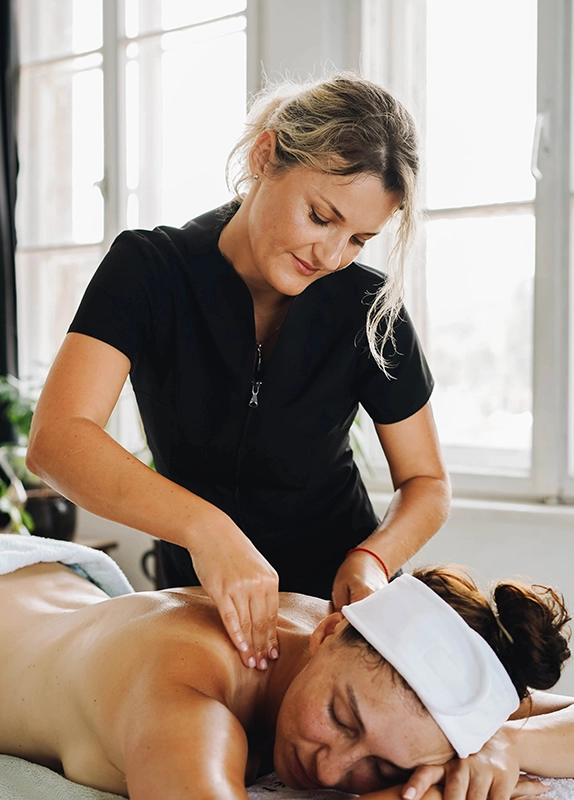
Everyday movement can be repetitive even when someone does not think of themselves as physically active. A workday may involve hundreds of small movements: reaching, turning, typing, carrying, standing, driving, or holding the same posture for long periods. Over time, people often begin to notice that the same areas feel tired before others.
Before choosing a focused massage, it can help to notice:
These observations give me useful information without requiring the client to know the cause or diagnose a condition.
A massage session can then be organized around the areas that matter most. If the body is showing something unusual, such as sudden severe pain, unexplained numbness, significant swelling, or a fresh injury, medical evaluation should come before routine massage.
Long periods at a desk, frequent phone use, driving, carrying, or repeated reaching can make the upper body feel heavily used. Some people notice this mainly across the shoulders, while others feel it closer to the neck or between the shoulder blades. Therapeutic Massage can be useful when several nearby areas need attention during the same appointment. Instead of concentrating on one small point, the session can move through the neck, shoulders, and upper back according to what the client wants addressed.
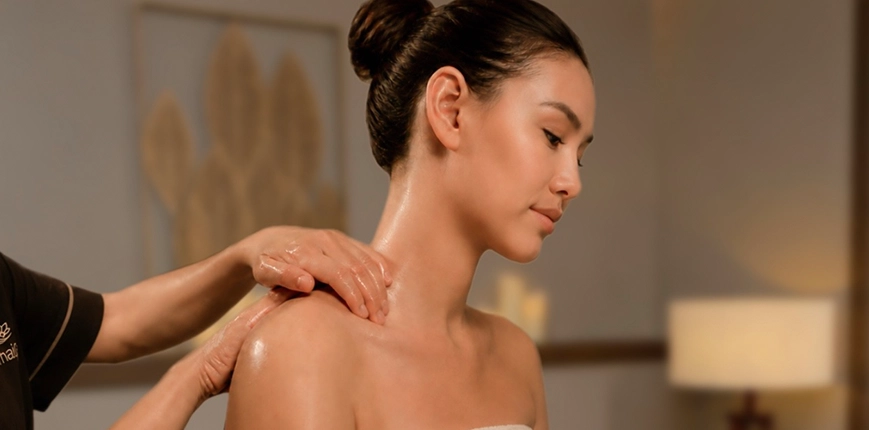
Not all massage concerns begin in the back. People who type, grip tools, perform detailed hand work, lift objects, style hair, drive, or repeat the same hand movements may notice tiredness through the forearms, wrists, or hands. These smaller areas are easy to ignore when massage is automatically treated as back-and-shoulder work. A focused session can make room for them.
Back tension can feel very different from one person to another. Someone may describe the entire lower back as tired after standing or sitting for long periods. Another client may point to a much smaller area that repeatedly grabs their attention. Therapeutic Massage provides more freedom when the massage needs to move across the back and nearby muscle groups. Neuromuscular Massage may offer a more detailed approach when the client wants the session to spend additional time on a smaller, clearly identified region.
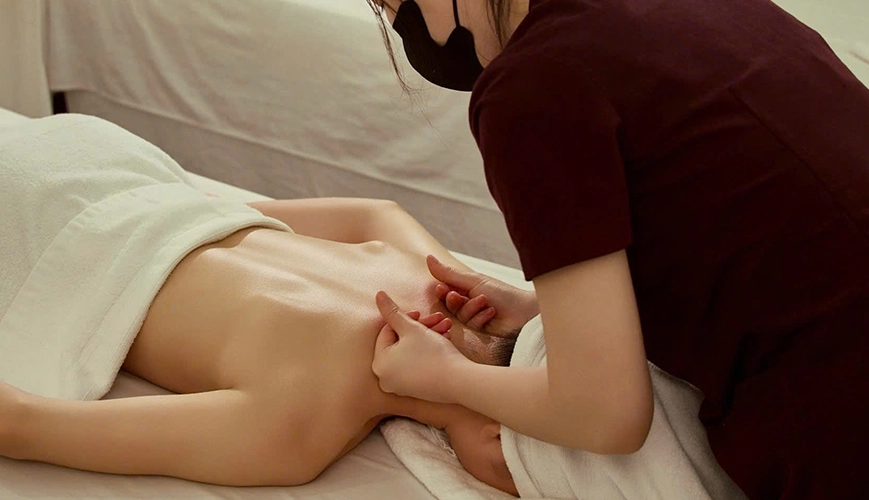
Someone who spends much of the day seated may experience the area differently from someone who climbs stairs, lifts, walks extensively, or performs repeated lower-body movement. A session may therefore need to look beyond one isolated muscle and consider the surrounding soft tissue as well. I also offer Myofascial Massage, another option clients can explore when they are interested in bodywork directed toward areas that feel restricted or less mobile. It provides a different approach from simply asking for stronger pressure.
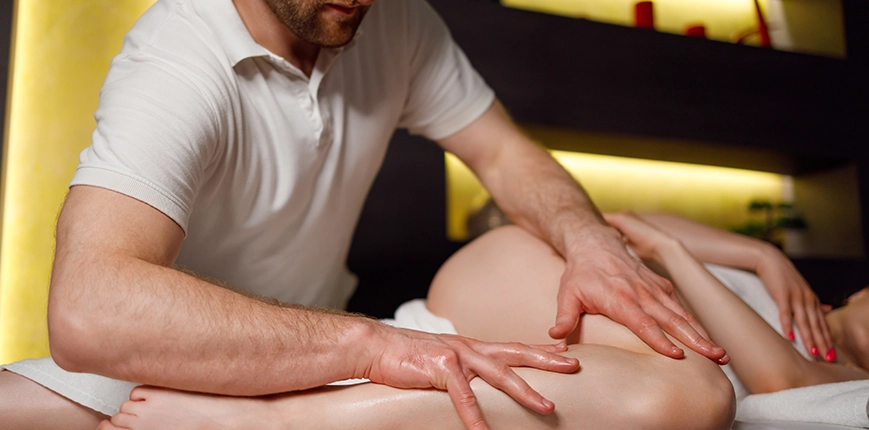
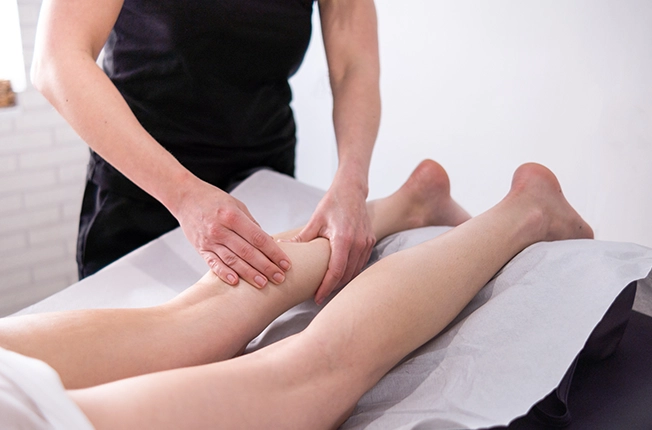
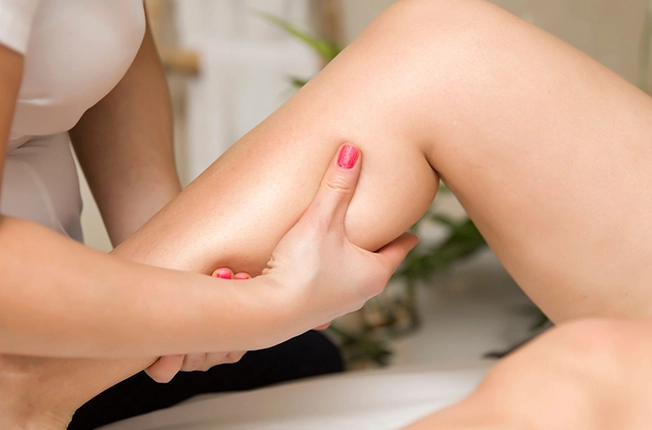
Standing jobs, walking, lifting, exercise, and repeated movement can leave the lower body feeling more tired than the upper body. In these cases, a client may want the appointment to dedicate meaningful time to the thighs, calves, or surrounding muscle groups rather than making them a small part of a standard full-body massage. Some people may prefer broader therapeutic work, while others who enjoy firmer massage can also review my Deep Tissue Massage service.
Clients who spend more time exercising, running, lifting, or using the lower body heavily can also compare that option with Sports Massage. The two services do not have to serve the same purpose, so it helps to consider whether the concern is linked mainly to activity or to general muscle tightness.
Therapeutic and neuromuscular massage can both involve focused bodywork, but they do not have to serve the same purpose. A useful way to separate them is to think about the size of the area that needs attention.
Therapeutic Massage | Neuromuscular Massage |
Useful when several areas need attention | Better suited to a more concentrated massage focus |
Can move between related muscle groups | Can spend additional time on selected muscles |
Allows several techniques within one session | More detailed work around specific areas |
Works well when tension feels spread out | Useful when one region stands out clearly |
Can balance focused and broader bodywork | Places less emphasis on covering many areas |
Someone with tired shoulders, upper back, and lower back may prefer the flexibility of Therapeutic Massage.
Someone who keeps noticing one smaller area may want to explore Neuromuscular Massage in more detail.
Clients interested in my background, professional experience, and approach to bodywork can also visit the About Me page before booking.
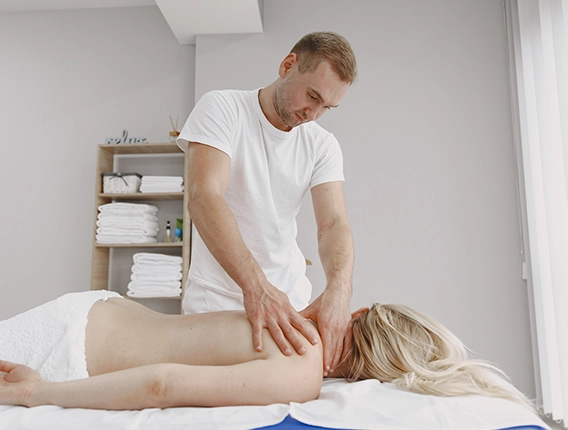
Massage by Brenda welcomes clients traveling from South Gate to the Downey studio. Choose the service that best matches your comfort, preferred pressure and reason for booking.
Yes. A focused massage does not have to center on the back. If repetitive work leaves the hands, forearms, shoulders, or another area feeling heavily used, tell me where you would like more of the session time directed.
Think about how broad the area feels. Therapeutic Massage provides more flexibility when several muscle groups need attention. Neuromuscular Massage may be worth considering when one smaller area needs a more concentrated approach.
Yes. A session can include multiple areas when time allows. Prioritizing them before the massage helps. For example, you might identify the shoulders as the main focus, followed by the upper back and forearms.
No. Massage clients do not need to diagnose themselves. You can simply explain where you notice tightness, which activities use that area most often, and what kind of massage experience you want. Medical concerns or unexplained symptoms should be evaluated by an appropriate healthcare professional.
It may be possible depending on the service booked, the appointment length, and how many areas you want addressed. The easiest approach is to identify your main priority first, then discuss whether the remaining session time can include broader massage work.
Call (323) 579-4587 or use the online booking page to schedule your massage at the Downey studio.