
Massage does not have to mean deep pressure, and a gentler technique is not simply a lighter version of the same service. Different forms of bodywork use different movements, pacing, and levels of contact. Understanding those differences can help someone choose a massage that actually matches what they want from the appointment instead of selecting a service based only on its name.
At Massage by Brenda, I welcome clients from Santa Fe Springs to my studio in nearby Downey. I offer a varied massage menu because I do not believe every person should be directed toward the same style of bodywork. Some clients specifically want very light, rhythmic techniques, while others are more interested in focused work around soft tissue that feels tight or restricted. Two options that show this difference clearly are my Lymphatic Drainage Massage and Myofascial Massage services.
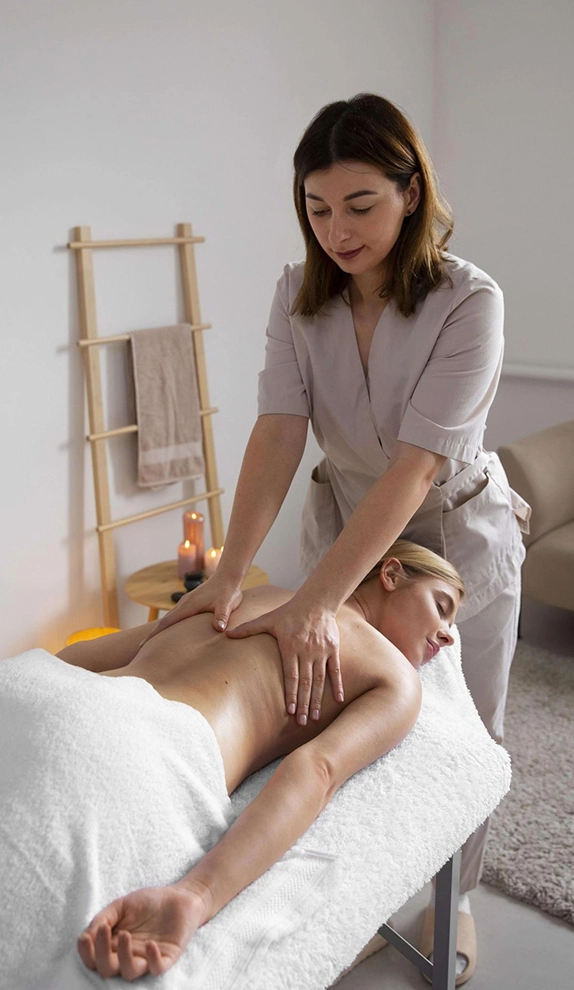
It is easy to divide massage into “light” and “deep,” but that leaves out much of what makes one technique different from another. The pace of the movements, the tissue being addressed, how long an area is worked, and the purpose of the technique all affect the experience.
Before selecting a service, it can help to think about whether you want:
These questions can narrow the options without requiring clients to understand massage terminology before they book. Someone who realizes they mainly want a traditional relaxing session, for example, may find that Swedish Massage fits better than either of the two services discussed on this page.
When massage is being considered because of a recent procedure, unusual swelling, an active medical condition, or another health concern, appropriate medical guidance should come first.
Lymphatic Drainage Massage is intentionally gentle. It uses light, controlled, rhythmic movements rather than strong pressure into the muscles. That difference is important because clients sometimes arrive expecting all massage to involve kneading or firm muscle work. Lymphatic techniques are not designed that way.
When I provide lymphatic drainage massage, I am working with a service that has its own pace and style rather than trying to turn it into a deep massage. Someone who specifically wants very light-touch bodywork may find this approach more suitable than a massage centered on strong pressure.
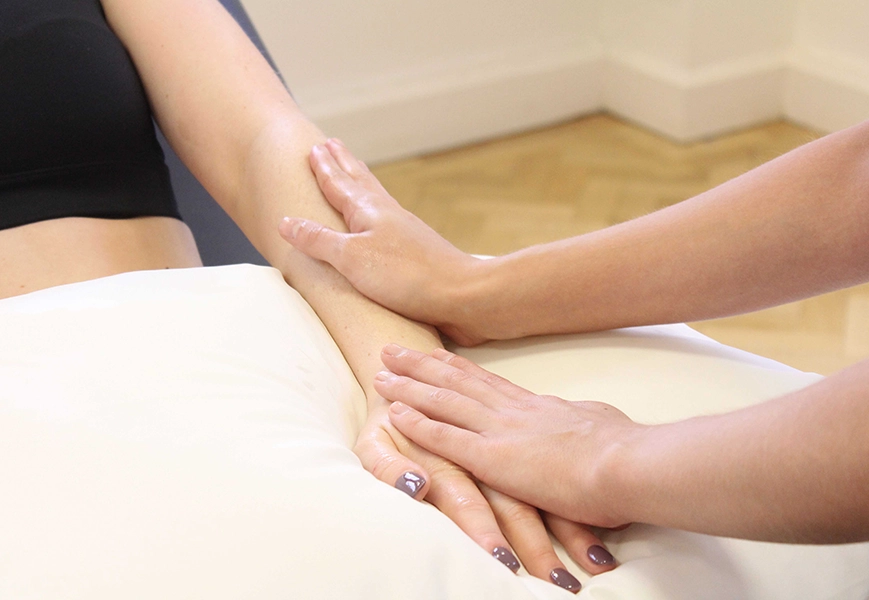
Myofascial Massage approaches bodywork differently. Fascia is connective tissue that surrounds and connects muscles and other structures throughout the body. Myofascial work pays attention to areas where this tissue may feel tight or restricted rather than simply trying to press deeper into a muscle. The movements may be slower or more sustained than those used in a traditional relaxation massage. This allows attention to remain around a selected area rather than moving quickly through the entire body.
I offer myofascial work for clients who are interested in a more tissue-focused approach without making intensity the whole point of the session. It is another reason why choosing massage based only on how “deep” it sounds can be misleading.
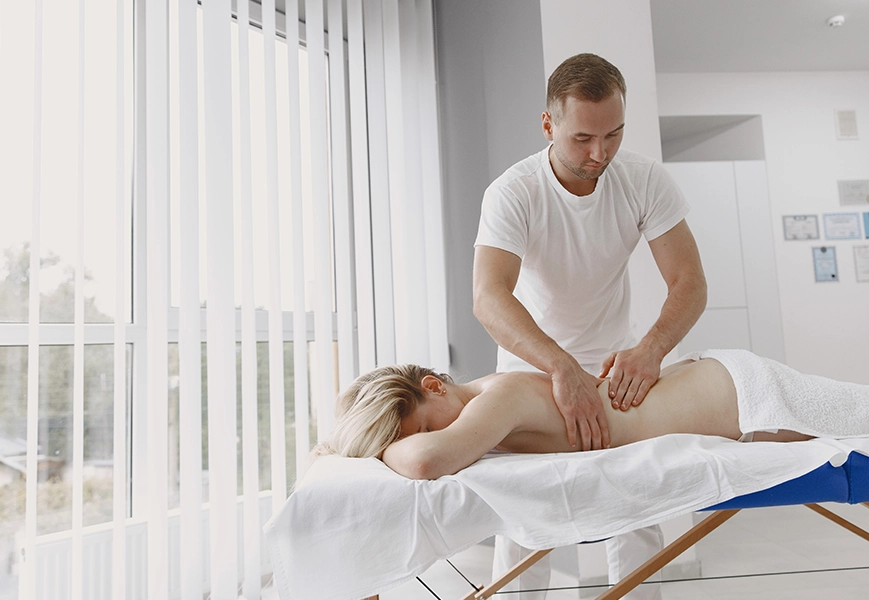
There is no useful rule that says the strongest massage is the most effective massage. Different techniques are designed to feel different. Lymphatic drainage depends on light movements. Myofascial work may use sustained contact without requiring extreme pressure. Deep Tissue Massage is available when someone specifically prefers firmer muscle-focused bodywork, but it serves a different purpose.
In my work, I would rather help someone choose the technique that fits what they are looking for than automatically direct them toward the strongest option.
Some clients describe an area as sore. Others use words such as tight, pulling, restricted, or difficult to move comfortably. Those descriptions are not identical. Myofascial techniques may appeal more to someone interested in how soft tissue feels across a larger area rather than one isolated muscle. A client wanting very precise work around selected muscles may instead want to explore Neuromuscular Massage.
Someone who wants several areas addressed within one broader session may prefer to review Therapeutic Massage.
These services differ more in technique and purpose than in which one is stronger. Looking at the experience side by side makes that easier to understand.
Lymphatic Drainage Massage | Myofascial Massage |
Uses very light, rhythmic movements | Uses slower, sustained soft-tissue work |
Heavy muscle pressure is not the goal | Focus may stay longer on restricted-feeling areas |
Has a gentle, specialized technique | Works more directly with fascia and surrounding tissue |
May feel subtle compared with traditional massage | Can feel more focused without being extremely deep |
Requires additional care when medical concerns are involved | Often chosen when tissue feels tight or less mobile |
Very different from deep tissue massage | Different from simply applying harder muscle pressure |
Massage by Brenda welcomes clients traveling from Santa Fe Springs to the Downey studio. Choose the service that best matches your comfort, preferred pressure and reason for booking.
No. Lymphatic drainage is intentionally light and rhythmic. Strong muscle pressure is not what defines the technique. Someone looking for firmer bodywork would be better served by exploring a different massage option.
Myofascial massage focuses more specifically on fascia and restricted-feeling connective tissue. Deep tissue massage is generally centered more on slower, firmer work through muscle layers. They may both be focused services, but they do not use exactly the same approach.
Fascia is connective tissue that surrounds and links muscles and other structures throughout the body. Myofascial techniques work with this tissue rather than viewing every tight-feeling area as simply a muscle that needs stronger pressure.
That is completely fine. I offer several other services, including Swedish, deep tissue, therapeutic, neuromuscular, hot stone, and other massage options. The main Massage Services page can help you compare them before choosing.
Yes. If you have unexplained swelling, a recent procedure, an active infection, concerns about a blood clot, or another significant medical condition, speak with the appropriate healthcare professional first. When massage relates to medical care, it should fit safely within that care plan.
Call (323) 579-4587 or use the online booking page to schedule your massage at the Downey studio.